
Understanding Long-Term Care Insurance
Long-term care insurance plays a vital role in planning for the future, especially as individuals grow older and may require assistance with daily living activities. This specific type of insurance is structured to cover services that are usually not part of standard health insurance or Medicare, such as help with basic daily tasks like bathing, dressing, or eating. Given the potential financial burden associated with long-term care, it is of utmost importance to thoroughly explore and compare various insurance options before reaching a decision.
Why Compare Long-Term Care Insurance Quotes?
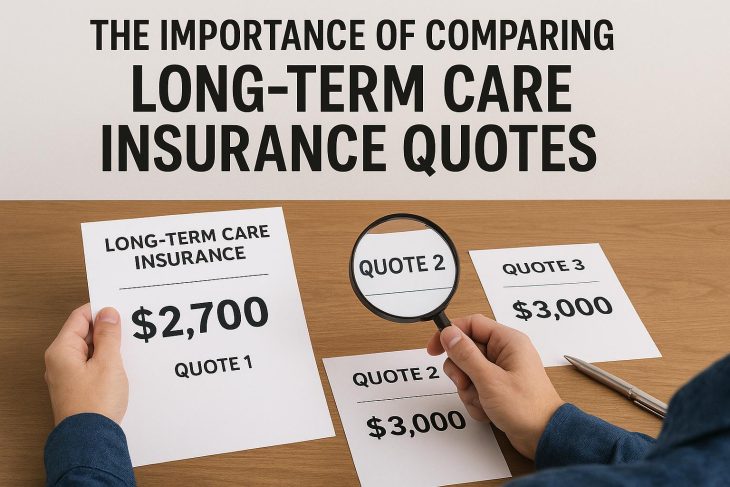
Analyzing long-term care insurance quotes is an essential step for a variety of reasons. Firstly, both the cost and the coverage of long-term care insurance policies can differ significantly among providers. By assessing a range of options, individuals have the opportunity to discover a plan that provides the optimal balance of premiums and benefits according to their specific needs and financial circumstances.
Cost Variability
Insurance premiums for long-term care are influenced by several factors, including an individual’s age, health status, and the desired level of coverage. Comparing quotes enables individuals to comprehend the range of available pricing and pinpoint the most cost-efficient option. It is critical to understand that while lower premiums might initially seem appealing, they may not always provide comprehensive coverage.
Coverage Differences
Long-term care insurance policies are not uniform; some may exclusively cover certain types of care or impose limitations on the services provided. By scrutinizing different quotes, individuals can examine the specifics of what each policy includes. This includes understanding the terms relating to lifetime maximums, elimination periods, and any inflation protection that might be offered.
Steps to Compare Quotes Effectively
When embarking on the comparison of long-term care insurance quotes, individuals should consider seeking guidance from a financial advisor. A professional can deliver personalized advice based on an individual’s unique circumstances. In addition, potential policyholders can employ online comparison tools to assess different offers from a variety of companies. Many websites offer tools that permit side-by-side comparisons of policy features, thereby simplifying the process.
Assessing Financial Stability of Insurers
Beyond analyzing coverage and cost, assessing the financial stability of the insurance provider is another critical consideration. Examining the credit ratings of companies as reported by reputable rating agencies is advisable. This step ensures that the chosen insurer is likely to remain solvent and thus able to honor policy claims in the future.
Consulting Professional Advice
Consulting with an insurance broker or financial planner can provide valuable clarity and peace of mind. These professionals can offer insights regarding the long-term implications of different policies and assist in making a well-informed choice that is aligned with one’s personal goals and expectations.
Concluding Thoughts
In conclusion, the comparison of long-term care insurance quotes goes beyond being merely a financial exercise. It is a pivotal step in securing one’s future well-being. This process involves careful evaluation of costs, coverage, and the stability of the insurance providers. By undertaking this due diligence, individuals can make informed decisions that fulfill their long-term health care needs while aligning with their financial capabilities.
Understanding the Benefits of Long-Term Care Insurance
Long-term care insurance provides a range of benefits that can significantly alleviate the pressures associated with aging and health deterioration. Among its key benefits is the ability to choose the manner and location of care, whether at home, in a community setting, or within a facility. Insurance policies usually offer flexibility, allowing policyholders to decide on the most suitable care environment based on their personal preferences and clinical needs.
Customizing Coverage to Suit Individual Needs
One of the major advantages of purchasing long-term care insurance is the ability to tailor the coverage to one’s specific requirements. Policyholders can select the maximum daily or monthly payout rates, adjust the duration of benefits to match projected needs, and incorporate additional features like inflation protection. This customization is instrumental in aligning the insurance policy with the precise care expectations and financial situations of policyholders.
Evaluating Policy Features and Benefits
Given the wide variety of long-term care insurance policies available, potential policyholders must dedicate time to understanding the numerous features and benefits that different policies provide. For example, some policies offer reimbursement for home health aides, while others might provide facility-only care. Other policies may offer cash indemnity plans, providing policyholders with a set amount of money to use at their discretion within the policy guidelines.
Benefit Triggers
Understanding “benefit triggers” is crucial, as these are the conditions under which an individual becomes eligible to start receiving benefits from their long-term care insurance. Typically, benefit triggers are based on the inability to perform a certain number of activities of daily living or a diagnosis of cognitive impairment. Familiarity with these triggers helps ensure that policyholders are fully aware of when and how their benefits will be activated.
Tax Considerations
Purchasers often overlook potential tax advantages associated with long-term care insurance. In some cases, the premiums paid for such policies can be tax-deductible, reducing overall taxable income. Tax benefits may vary depending on an individual’s situation and the policy they choose, so it is advisable to consult with a tax professional to understand the implications fully.
Addressing Misconceptions
Despite its benefits, there are common misconceptions about long-term care insurance that can deter potential buyers. One widespread myth is the belief that Medicare will cover all long-term care needs, which is not the case. Medicare typically covers only short-term nursing home stays and limited home health care services, making long-term care insurance a valuable tool in long-term planning.
Cost-Effectiveness for Different Age Groups
Another misconception relates to the perceived cost-effectiveness of purchasing insurance at different ages. While younger buyers may enjoy lower premiums, older buyers can also find value in policies tailored to their immediate needs. Therefore, it is essential to evaluate insurance options based on personal circumstances rather than general assumptions about age-related costs.
Planning for the Future
As individuals take steps to plan for their future, including the potential need for long-term care, insurance becomes one of the key components in creating a comprehensive strategy. By investing time in researching and understanding long-term care insurance, individuals can ensure that they have the necessary financial support to maintain their quality of life as they age. This preparation not only benefits the individual but also provides peace of mind for family members who might otherwise be called upon to provide care or financial support.
This article was last updated on: May 31, 2026