
The Importance of Lifestyle Choices on Long-Term Care Insurance Premiums
When considering long-term care insurance, various factors come into play that can significantly affect the cost of premiums. Among these factors, lifestyle choices play a crucial role. Understanding how different aspects of one’s lifestyle can influence premiums is essential for anyone planning for their future care needs.
Health and Fitness
Maintaining a healthy lifestyle can have a positive impact on long-term care insurance premiums. In the underwriting process, insurers will assess numerous health-related factors. They look at an individual’s overall health condition, considering factors such as body weight, exercise routines, and dietary habits. Those who maintain a healthy body weight and engage in regular exercise routines often receive more favorable premium rates. A balanced diet also contributes to better health outcomes, thus potentially lowering premium costs.
The practice of undergoing regular medical check-ups and taking proactive healthcare measures, such as vaccinations and screenings, can contribute to lower premiums as well. These actions signal to insurers that an individual is committed to maintaining their health, thereby potentially reducing the risk of needing long-term care.
Tobacco and Alcohol Use
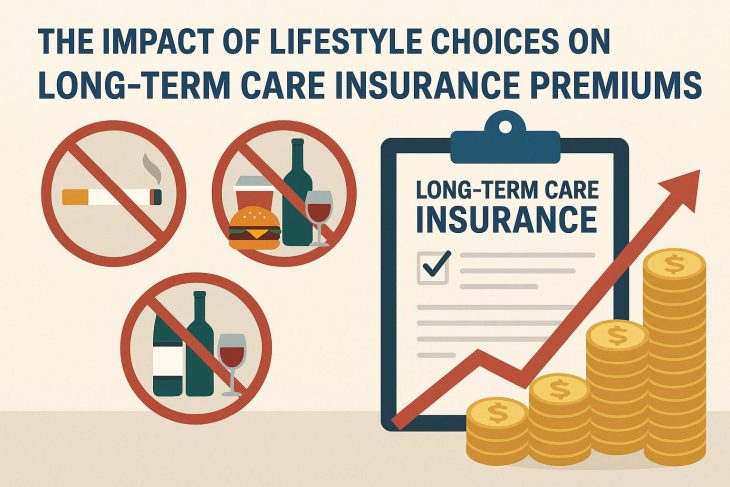
Among lifestyle choices, the use of tobacco and alcohol is particularly impactful on long-term care insurance premiums. Smoking is known to be a considerable risk factor that can lead to higher premiums due to its association with various health problems, such as respiratory issues and cardiovascular diseases. Insurers generally view smokers as higher-risk candidates, reflecting in increased costs of premiums.
Similarly, alcohol consumption in excessive amounts can adversely influence premium rates. Excessive alcohol use is associated with numerous health issues, including liver disease and certain types of cancer, which could necessitate long-term care. As a result, it is common for insurers to charge higher premiums to individuals with a history of significant alcohol use.
Recreational Activities and Hobbies
Recreational activities and hobbies play a less direct but still significant role in shaping long-term care insurance premiums. Engaging in an active lifestyle is usually seen as favorable since it promotes good physical health. However, participation in high-risk sports or activities, such as skydiving, motor racing, or rock climbing, may elevate premium rates.
Insurance companies evaluate the risks associated with these high-risk activities and may view them as potential contributors to injuries or accidents that could lead to long-term care needs. As a result, participation in such activities might result in higher premiums due to the increased perceived risk.
Mental Well-being
In addition to physical health, mental well-being is a significant consideration for insurers when determining premiums. The mental health history of an applicant, including any treatment received for conditions like depression or anxiety, can influence premium rates. These conditions are particularly impactful if they are chronic or severe, as they could potentially require long-term management and support.
Demonstrating mental stability and receiving appropriate treatment can help individuals manage their premium rates. Insurers may view proactive treatment and stability in mental health as indicators of reduced risk for needing long-term care services, which can consequently lead to lower premiums.
The Role of Preventive Healthcare
Preventive healthcare is a proactive approach to health management that can positively influence long-term care insurance premiums. Participating in preventive healthcare services, such as vaccinations, health screenings, and annual check-ups, signals to insurers that an individual is actively managing their health. By taking preventive steps, policyholders can potentially mitigate the likelihood of developing conditions that would require long-term care, and therefore, secure more favorable premium rates.
Participation in health and wellness programs offered by employers or community organizations might also be viewed positively by insurers. These programs often promote regular health checks, stress management, and the adoption of healthy habits, all of which contribute to better overall health outcomes.
Conclusion
While numerous factors influence long-term care insurance premiums, lifestyle choices remain a critical component. By making informed decisions about health, tobacco and alcohol use, recreational activities, and mental well-being, individuals can potentially reduce their premium rates. It is important for individuals to be mindful of these lifestyle choices and consider how they might impact the financial aspects of securing long-term care insurance.
For those interested in learning more about strategies for managing insurance costs, a variety of resources including studies and expert advice can prove valuable. Consulting specialized insurance websites or seeking the guidance of financial advisory services provides deeper insights into managing lifestyle factors in relation to insurance costs. Through continuous education and proactive management of their health and well-being, individuals can effectively prepare for future care needs while potentially minimizing related financial burdens.
This article was last updated on: June 28, 2026