
The Importance of Long-Term Care Insurance
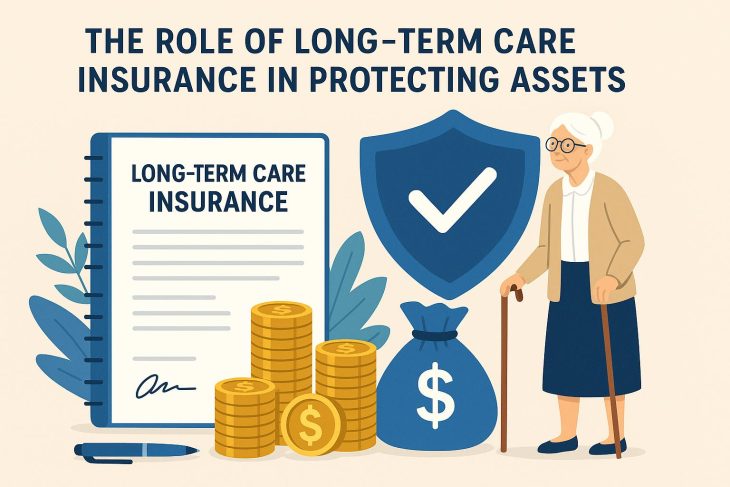
Long-term care insurance plays a crucial role in safeguarding an individual’s assets. With the increase in life expectancy, individuals may require extended care in their later years. This insurance covers services typically not covered by regular health insurance or Medicare, ensuring access to various services that protect personal savings and other financial assets. These services include nursing homes, assisted living, and in-home care, which can be vital as one ages.
Understanding Long-Term Care Insurance
To fully appreciate the significance of long-term care insurance, it is important to understand its purpose and functionality. It is specifically designed to manage the costs associated with long-term care services, which may be provided at home or in care facilities. By covering these expenses, the insurance alleviates the financial burden that would otherwise affect the individual and their family.
How It Works
The purchase of a long-term care policy is generally straightforward. Policyholders are required to pay premiums regularly, and if the time arises when long-term care is necessary, the insurance will cover eligible expenses. Policies can vary significantly in terms of cost and coverage, and this is influenced by factors including the benefit amount provided daily or monthly, the duration of coverage, and the range of care services covered by the policy.
Benefits of Long-Term Care Insurance
A notable benefit of long-term care insurance is its role in asset protection. It significantly reduces the chances of depleting savings and other financial assets by covering a substantial portion of care costs. This preservation is fundamental in maintaining the quality of life and facilitating legacy planning for individuals.
Moreover, the insurance offers flexibility through the choice of care. Policyholders gain the freedom to choose care settings and types of services, as it substantially lowers out-of-pocket expenses. This aspect is particularly beneficial for those preferring to receive care at home, allowing for customization of care arrangements.
In addition, long-term care insurance helps in relieving the burden on family members. By covering the costs associated with long-term care, the insurance lessens potential financial pressure on family members. This enables more objective and informed decisions regarding care options, free from the stress of exorbitant uninsured costs.
Considering Long-Term Care Insurance
When to Purchase: Timing plays an essential role in purchasing long-term care insurance. Generally, it is more cost-effective to acquire a policy at a younger age, typically in the mid-50s to early 60s. This is because premiums are lower, and the chances of qualifying are higher during this period.
Policy Features: Potential policyholders should thoroughly review policy features before purchasing. A comprehensive understanding of what is covered – and what is not – is important. Moreover, considering options such as inflation protection is crucial to ensure that benefits align with rising costs over time. Policyholders can thus be assured that their insurance will continue to meet their needs regardless of economic fluctuations.
For individuals seeking more detailed information on long-term care insurance policies, it is highly recommended to explore resources provided by insurance companies. Websites often present guidelines and advice tailored to individual needs, which can be a valuable resource in making informed decisions. For instance, to further explore the specifics of long-term care insurance, you may visit resources provided by recognized organizations.
In conclusion, long-term care insurance serves as a vital tool in asset protection and financial planning. It ensures that the costs associated with extended personal care do not derail other financial goals. As individuals continue to live longer, integrating long-term care insurance into one’s financial strategy becomes increasingly important. By doing so, individuals can secure peace of mind knowing that they are protected from financial instability due to unforeseen care costs.
This article was last updated on: June 14, 2026