
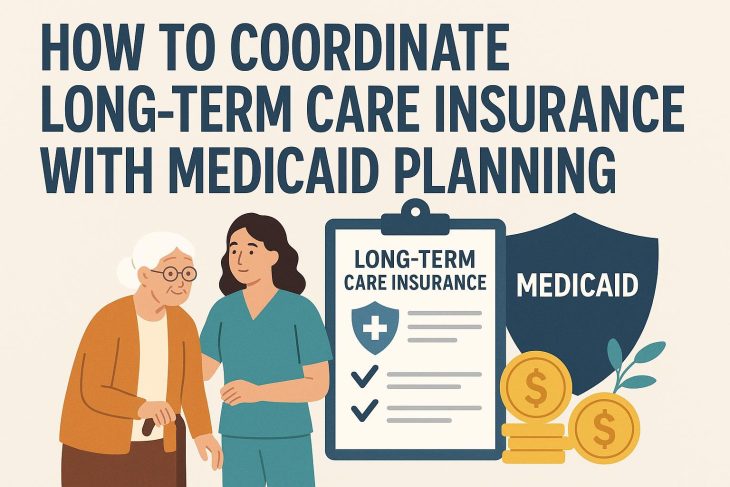
Understanding Long-Term Care Insurance and Medicaid
Long-term care insurance and Medicaid play crucial roles in managing healthcare expenses in later stages of life. Although they fulfill different purposes, their coordination can result in more comprehensive coverage. Long-term care insurance is tailored to offer benefits to policyholders who need help with activities of daily living or require care due to chronic health conditions. On the other hand, Medicaid is a joint federal and state program designed to provide healthcare to eligible low-income individuals, which includes offering long-term care services.
Evaluating Long-Term Care Needs
In order to make efficient use of these resources, it’s essential to first evaluate long-term care needs. This evaluation includes assessing potential out-of-pocket costs, the desired level of care, and the estimated duration for which care might be required. A comprehensive evaluation serves as a guide to making informed decisions about the appropriate insurance policy and determining Medicaid eligibility.
The Role of Long-Term Care Insurance
Long-term care insurance is crafted to cover costs that are generally not addressed by regular health insurance or Medicare. This includes a variety of services like home health care, assisted living, and more, giving policyholders greater flexibility and control regarding their care options.
The Interaction Between Long-Term Care Insurance and Medicaid
The relationship between long-term care insurance and Medicaid is significant for strategic planning. Long-term care insurance can act as a bridge to Medicaid, assisting in asset preservation and future eligibility for Medicaid benefits. Typically, the benefits from a long-term care policy can be used upfront, delaying the necessity for Medicaid and protecting personal assets. Certain states even offer long-term care partnership programs, which permit policyholders to safeguard a specific amount of their assets from the Medicaid spend-down requirements.
Medicaid Spend-Down Process
Gaining eligibility for Medicaid often encompasses a spend-down process, which involves individuals utilizing their assets to pay for care until they reach Medicaid’s financial eligibility criteria. Strategically using long-term care insurance can minimize or even delay the requirement to deplete personal assets, thereby coordinating effectively between private insurance and public assistance.
Asset Protection Strategies
Employing long-term care insurance alongside Medicaid planning can aid in conserving financial resources. By acquiring a policy that qualifies under a state’s partnership program, policyholders have the potential to exclude the payout of the policy from Medicaid asset calculations. This approach essentially safeguards an equivalent amount of assets.
Consulting with Financial and Legal Advisors
The complexity of navigating long-term care insurance and Medicaid calls for tailored advice aligned with personal situations. Financial planners and elder law attorneys can offer valuable insights into how to balance these resources effectively. Engaging professional advice is crucial in ensuring that decisions harmonize with personal goals and align with financial realities.
Resources
To gain more detailed assistance on long-term care insurance and Medicaid planning, visiting professional advice websites or local government sites connected to aging and long-term care can be beneficial. Early advice and planning are proactive steps that can help avoid future complications and secure comprehensive care options.
For further reading on long-term care strategies, consider visiting Long-Term Care Planning Resources.
How Long-Term Care Insurance Works
Long-term care insurance policies are designed to cover a range of services that may not be adequately provided for by Medicare or personal savings. The benefits are usually triggered when an individual is unable to perform a certain number of activities of daily living (ADLs), such as bathing, dressing, or eating. Some policies also cover cognitive impairments, ensuring support for those affected by conditions like Alzheimer’s disease.
Choosing the Right Policy
Selecting an appropriate long-term care insurance policy requires assessment of several factors. The level of coverage, policy premiums, inflation protection, and the elimination period—which is the time one must wait before the benefits start—are essential considerations. It’s crucial to choose a policy that aligns with one’s financial situation and expected care needs.
The Costs of Long-Term Care Services
Long-term care services can be costly, and costs vary based on location and type of care required. Nursing homes, assisted living facilities, and in-home care professionals come with distinct cost structures. Long-term care insurance can mitigate these expenses, easing the financial burden on individuals and families.
Understanding Policy Features
Many long-term care insurance policies come with various features. Some may offer shared benefits for couples, where one partner can access unused benefits from another’s policy. Inflation protection is another feature that helps maintain a policy’s value over time. By understanding and selecting the right features, policyholders can enhance their insurance’s effectiveness in meeting long-term care needs.
The Importance of Early Planning
Considering long-term care insurance at a younger age can be a strategic decision. Younger applicants typically benefit from lower premiums, and securing a policy earlier can provide peace of mind and financial security. Waiting too long to purchase insurance may result in higher costs or the possibility of being uninsurable due to existing health conditions.
Tailoring Coverage to Individual Needs
Ultimately, coordinating long-term care insurance with Medicaid and other financial resources requires a personalized approach. The individual’s health, financial situation, family support, and future care preferences should all influence the decision-making process. Tailoring coverage to meet these unique needs ensures that individuals receive adequate care without unnecessary financial strain.
This article was last updated on: July 26, 2026