
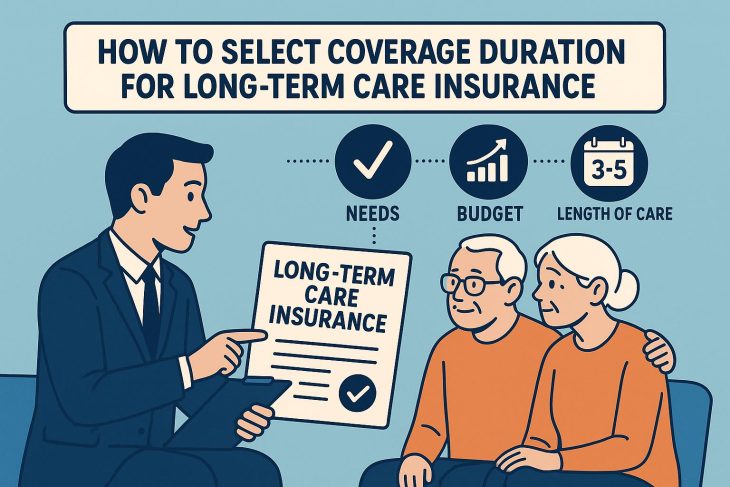
Understanding Long-Term Care Insurance Coverage
When considering long-term care insurance, one of the critical decisions you will need to make is determining the appropriate coverage duration. This decision is essential as it balances the monthly premium cost and the potential financial support you might require during a prolonged healthcare need. Properly understanding and selecting the right duration is an integral part of planning for your financial future, particularly as it relates to the healthcare needs anticipated in your later years.
Assessing Your Health and Life Expectancy
Before deciding on a coverage duration, it’s vital to conduct a realistic assessment of your health and family medical history. Various factors come into play here, such as the likelihood of developing certain medical conditions and diseases that may necessitate long-term care. Delving into your family’s medical history can offer valuable insights, especially if there are patterns that suggest a predisposition to chronic or hereditary conditions. Additionally, you should review statistical data related to life expectancy, which can provide a general framework for how long you might require support.
Consulting healthcare providers or financial advisors can be beneficial during this decision-making process as they can provide specific insights based on their professional expertise. They can help interpret statistical data, guide discussions about health risks, and assist in forming a comprehensive picture of your future healthcare needs. This preliminary assessment can help ensure that the coverage you choose aligns with potential personal health circumstances.
Understanding Policy Limits
Long-term care insurance policies come with certain coverage limits, which typically range from two to five years, although some policies offer lifetime coverage. It’s imperative to understand these limits as they directly affect the length of time that benefits will be paid out once you start receiving care. Generally, opting for a longer coverage duration will result in higher premium costs, which must be weighed against the likelihood of needing prolonged care.
Comprehensive Plan vs. Limited Plan
Choosing between a comprehensive plan and a limited plan can be pivotal when evaluating your needs. A comprehensive plan, covering a longer duration, would be beneficial if you have a family history of conditions requiring extended care, such as Alzheimer’s Disease or Parkinson’s Disease. Such conditions can necessitate years of care, making longer coverage a more prudent choice.
On the other hand, a limited plan with a shorter coverage duration might suffice for individuals confident in their alternative resources such as personal savings, retirement funds, or family support. If you have enough resources to cover potential gaps in coverage, a limited plan could provide the necessary support without incurring unnecessarily high premiums.
Evaluating Financial Resources
Thoroughly evaluating your financial situation is a critical step in determining the appropriate coverage duration for your long-term care insurance. It involves assessing your savings, retirement funds, and any other potential income sources that could contribute to long-term care expenses. The objective is to identify a gap between your available financial resources and the anticipated costs of care. By identifying this gap, you can choose a coverage duration that effectively bridges it without over-insuring, thereby ensuring that you’re not burdened by exorbitant premiums while still being adequately protected.
Self-Insurance Considerations
For individuals with significant financial resources, another possibility is self-insurance, which involves choosing partial coverage and shouldering the rest of the cost personally. This approach can lead to savings on premium costs, but necessitates careful financial planning and a thorough understanding of the associated risks. Considerations here include evaluating whether your financial resources can handle unexpected increases in care costs without jeopardizing your overall financial security.
Industry Recommendations and Trends
It’s beneficial to examine current industry trends and recommendations from insurance and financial experts when selecting coverage duration. Many experts suggest securing three to five years of coverage, aligning with the average duration of care that most individuals require. Nonetheless, while general guidelines are helpful, they must be adapted to fit your specific circumstances and needs.
Economic and demographic trends, including increased life expectancy and healthcare advancements, may also influence these recommendations, as they affect the average length of time that individuals need care. Accordingly, staying informed about these trends can ensure that your coverage remains relevant and sufficient for the long-term.
Adjusting for Inflation
Inflation has a profound impact on healthcare costs, which only underscores the importance of considering inflation in your policy selection. Many long-term care insurance policies offer inflation protection features designed to adjust your benefits over time, aligning them with the projected rise in care costs. Understanding how these inflation protection features work is paramount in selecting an appropriate policy. Carefully assess these options, especially whether or not they are included in your plan, to ensure that your benefits retain their value over the years.
Consulting with Professionals
Engaging with professionals, such as licensed insurance agents or certified financial planners, can provide personalized advice that addresses your specific concerns. These professionals possess the expertise needed to help you navigate the complexities of different policies, including understanding coverage terms and aligning the coverage with your long-term care planning goals. By consulting with them, you can gain greater clarity and confidence in your choices.
In conclusion, choosing the right coverage duration for long-term care insurance is an essential aspect of financial planning, particularly for your senior years. By taking a thoughtful approach, which takes into account personal health, financial resources, trends, and professional insights, you can secure a policy that provides robust protection exactly when you need it most. The goal is to ensure that your coverage not only meets your needs today but remains effective and relevant in the face of future uncertainties.
This article was last updated on: June 25, 2026