
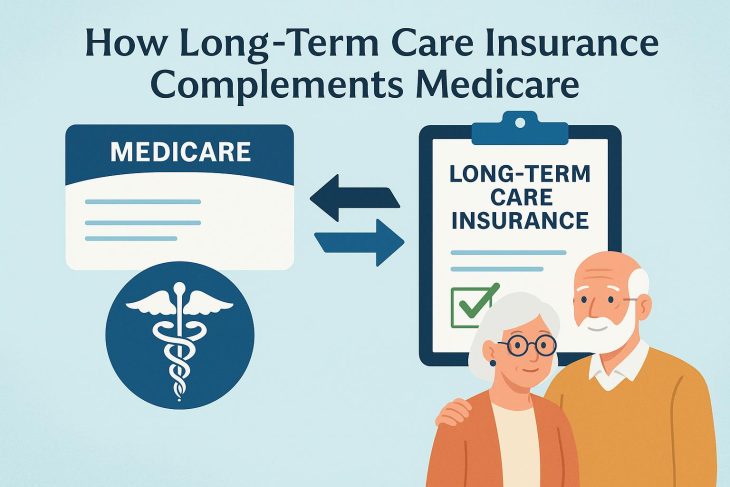
Understanding Long-Term Care Insurance and Medicare
Long-term care insurance plays a pivotal role alongside Medicare by offering coverage for services and support that Medicare generally does not provide. Recognizing the distinct functionalities of these two forms of coverage enables policyholders to make informed decisions regarding their healthcare needs as they get older. This comprehensive understanding is crucial for effective financial planning and maintaining quality of life.
The Limitations of Medicare
Medicare, a federal program designed primarily for individuals aged 65 and above, provides health insurance covering a broad range of medical services. This includes hospital stays, visits to the doctor’s office, and various preventive services. Medicare ensures that senior citizens, as well as younger people with disabilities or specific health conditions, receive essential healthcare. However, it is essential to note the limitations inherent in Medicare, particularly when it comes to coverage for long-term care.
Long-term care refers to a suite of services aimed at meeting personal care requirements over an extended period. This typically becomes necessary due to chronic illnesses, disabilities, or other conditions that necessitate regular assistance with day-to-day activities. Despite its comprehensive nature, Medicare does not cover the expenses associated with long-term care. It offers only limited coverage for short-term nursing home stays and certain aspects of home health care, leaving a significant coverage gap for those requiring prolonged assistance in daily living.
The Role of Long-Term Care Insurance
Long-term care insurance emerges as a critical resource that addresses the deficiencies left by Medicare. This type of insurance offers financial support for a variety of services not typically covered by Medicare, such as nursing home care, home health care, and residency in assisted living facilities. The primary goal of long-term care (LTC) insurance is to mitigate the financial stress accompanying long-term care needs. By alleviating such burdens, LTC insurance works to preserve personal savings and protect familial assets that may otherwise be depleted by the high costs of extended care.
How Long-Term Care Insurance Complements Medicare
Medicare and long-term care insurance can work synergistically to provide a more comprehensive healthcare plan:
Coverage for Extended Care: While Medicare includes limited benefits for short-term nursing home stays and certain home health care services, it does not cater to extended care necessities. In contrast, long-term care insurance stretches these benefits over longer periods. This becomes critically important for individuals who require nurturing beyond the scope offered by Medicare.
Support for Daily Living Activities: Long-term care insurance policies typically cover assistance with routine activities such as bathing, dressing, and eating. These services are integral to maintaining quality of life for those with chronic or debilitating conditions but are generally not supported by Medicare, which focuses more on medical rather than personal care needs.
Flexibility in Care Options: Long-term care insurance provides policyholders with significant flexibility in determining the type and location of care that best aligns with their personal needs. This could mean choosing between receiving care in a nursing home, an assisted living facility, or within the comfort of one’s home. This flexibility is important for tailoring care to individual preferences and circumstances.
Strategizing with Both Programs
In order to make the most of both Medicare and long-term care insurance, one must gain a comprehensive understanding of personal healthcare needs alongside their financial situation. Scrutinizing the specific details within Medicare and any existing long-term care policy ensures adequate coverage is maintained. Some policies might even present incentives for integrating with Medicare benefits, promoting a more streamlined and cost-effective approach to handling healthcare expenses.
Engaging with healthcare providers or financial advisors can be instrumental in crafting a personalized plan that meets specific needs. These experts offer insights into both Medicare and the variety of long-term care insurance options available, aiding in the tailoring of a strategy that aligns with individual preferences and financial goals.
A prudent approach involves not only understanding the basics of each form of coverage but also staying informed about the evolving landscape of healthcare policy and insurance industry trends. This knowledge is integral for seniors and their families, ensuring informed decisions are made when selecting the most suitable care options. The right combination of Medicare and long-term care insurance can empower individuals to manage healthcare costs effectively, preserving both monetary resources and peace of mind.
For those seeking to delve deeper into the specifics of Medicare and various long-term care insurance options, numerous resources are available. Healthcare providers can offer in-depth information on the nuances of each policy type, helping individuals make educated choices. Consulting financial advisors can further assist in navigating the intricacies of healthcare finance, ensuring a strategic blend of these coverages delivers optimal financial protection as health care needs evolve with age.
This article was last updated on: April 19, 2026