
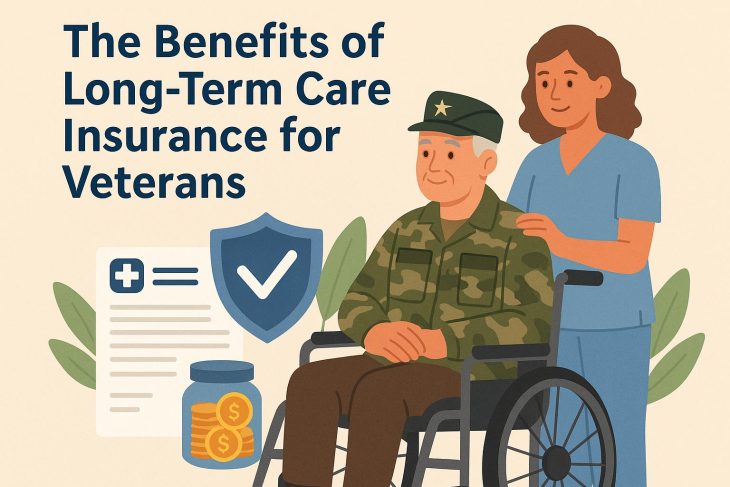
The Importance of Long-Term Care Insurance for Veterans
Long-term care insurance can be a crucial financial tool for veterans, offering support and coverage for services often not covered by other types of insurance. Understanding the specific benefits of long-term care insurance designed for veterans can help in making informed decisions about future healthcare needs.
Understanding Long-Term Care Insurance
Long-term care insurance is a type of coverage that helps pay for the cost of care needed for chronic illnesses, disabilities, or other long-term necessities that are not covered by regular health insurance. This type of insurance is essential for covering services which include assistance with daily activities, nursing home care, and home healthcare. These services are necessary for individuals who cannot perform basic self-care alone due to a physical or cognitive impairment.
The coverage provided by long-term care insurance is typically broad and can include several forms of care, such as skilled nursing services or non-medical support like help with bathing, dressing, or eating. Depending on the policy, it may cover the cost of care in various settings, including nursing homes, assisted living facilities, or in the individual’s own home. Investments in such insurance ensure that policyholders receive the care they need without placing undue financial burdens on their families.
Why It Matters for Veterans
For veterans, long-term care insurance holds particular significance due to the uncommon challenges and health issues they often experience in later life stages. While the Department of Veterans Affairs (VA) offers certain healthcare benefits, these benefits may not be comprehensive enough to cover all necessary forms of long-term care. Consequently, securing long-term care insurance can help bridge these gaps. It serves to reduce financial strain on veterans and their families by providing coverage for expenses that might not be fully handled by the VA.
Since many veterans suffer from service-related health conditions that could require specialized long-term care, having an insurance plan tailored to their needs can be invaluable. These conditions may include post-traumatic stress disorder (PTSD), injuries sustained in combat, or other service-related disabilities that could necessitate long-term assistance. Veterans can visit the official VA website to gain more insights into the healthcare benefits available to them.
Filling the Gaps in VA Benefits
The VA provides a broad range of healthcare benefits to veterans, yet long-term care coverage is not extensively included in these benefits. This is where long-term care insurance becomes a valuable supplement, offering veterans access to services they might otherwise struggle to afford or access. Some of these services include:
- Nursing home care: Professional medical care in a dedicated facility designed to cater to the needs of seniors and individuals with severe health conditions.
- In-home assistance: Help provided by caregivers in the comfort of the individual’s home, often customized to meet specific needs ranging from medical support to day-to-day living assistance.
- Assisted living facilities: Residential communities designed for individuals who require help with some activities of daily living while maintaining a degree of independence.
These services ensure that veterans have access to comprehensive care that addresses both their medical and personal needs.
Financial Stability and Security
Having long-term care insurance is not merely about ensuring access to necessary health services; it is also about maintaining financial stability and security. Without adequate insurance coverage, the high costs associated with long-term care can rapidly deplete a veteran’s savings and other assets. Long-term care insurance thus acts as a safeguard, ensuring that these expenses do not lead to financial ruin.
With such coverage in place, veterans and their families receive peace of mind, knowing that any unforeseen extended care needs will be financially managed. The insurance effectively ensures that veterans can enjoy their later years with dignity, without the constant worry that their healthcare needs will burden their loved ones.
Eligibility and Considerations
While some veterans may receive requisite care through VA programs, others might discover that long-term care insurance offers crucial supplementary coverage. When examining different insurance options, several key considerations must be kept in mind:
- The level of coverage: Determining the appropriate level of coverage is critical and should be based on an individual’s specific health needs, which might evolve over time.
- Policy inclusions: Ensure the policy covers a blend of in-home care and facility-based care settings, reflecting the potential needs of the individual.
- Financial circumstances: The current financial status and future needs of the veteran should guide decision-making. An assessment should include an analysis of potential future health conditions and associated care needs.
Before purchasing a policy, veterans should verify that it is tailored to their specific circumstances and can adequately meet any potential future requirements.
Conclusion
Long-term care insurance presents veterans with an additional layer of protection, allowing them to receive necessary care without facing excessive financial strain. By grasping the dynamics between VA benefits and commercial insurance options, veterans are empowered to make informed decisions regarding their healthcare strategies.
Engaging with professionals can further streamline this process; veterans are encouraged to contact representatives who specialize in veteran benefits. Speaking with financial advisors can also help them strategize effectively, ensuring their plans are both comprehensive and sustainable.
This article was last updated on: May 3, 2026