
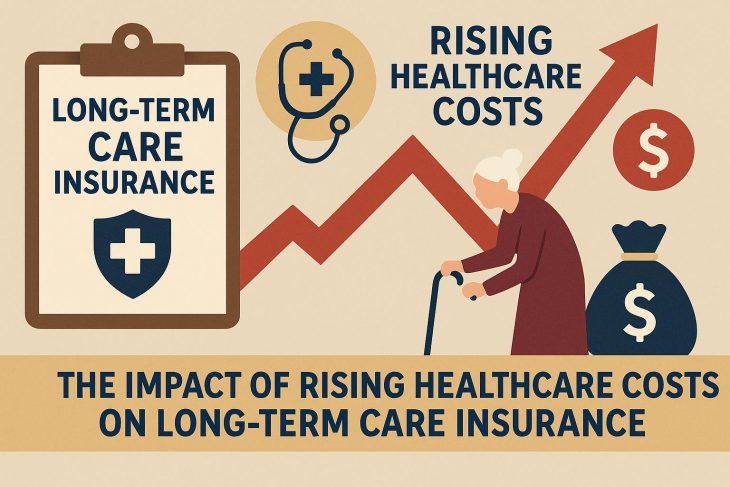
The Rising Healthcare Costs
The increasing costs of healthcare have developed into a widespread concern affecting numerous stakeholders, from individuals to policymakers and insurance companies. These escalating costs permeate various segments of the healthcare system, notably impacting long-term care insurance. Unlike standard health insurance, long-term care insurance is specifically designed to support services that aren’t typically included in regular health plans. It extends assistance to individuals dealing with chronic illnesses or disabilities through services such as home care, assisted living, or nursing home care.
Factors Contributing to Rising Costs
An array of factors has contributed to the continuous rise in healthcare expenses. Understanding these components provides insights into the broader implications for the healthcare sector.
1. Aging Population: The demographic shift towards an aging population is a significant driver of rising healthcare costs. With a longer life expectancy, more individuals are likely to require long-term care at some point. This increased demand for healthcare services is directly tied to the growing number of older adults who are more susceptible to chronic illnesses and disabilities, necessitating enhanced and prolonged care.
2. Medical Advancements: Innovations in medical technology and treatments have undoubtedly improved the quality of healthcare. However, these advancements tend to come with substantial costs. From cutting-edge diagnostic equipment to advanced treatment methods, the expenses associated with incorporating new technologies into patient care can be considerable. As a result, these costs contribute to the overall increase in healthcare spending.
3. Inflation: Inflation is an economic phenomenon that affects nearly every sector, including healthcare. The general rise in prices over time means that the costs of medical supplies, infrastructure, and services also increase. Inflation doesn’t only impact direct healthcare services but also the logistical and operational facets of healthcare provision, leading to exacerbated expenses over time.
4. Regulatory Requirements: Meeting the growing number of regulatory requirements can add significantly to operational expenses for both insurers and healthcare facilities. Compliance with health regulations necessitates investments in technology, staff training, and administrative adjustments, each of which contributes to the rising costs seen throughout the healthcare industry.
Impact on Long-Term Care Insurance
The escalating healthcare costs exert substantial pressure on the long-term care insurance market, leading to several critical impacts.
Premium Increases: An inevitable consequence of rising healthcare costs is the increase in premiums for long-term care insurance policies. To sustain their financial viability, insurers must adjust their pricing structures to cover the augmented costs of healthcare services. For policyholders, this means grappling with more expensive policies, which can pose significant financial challenges.
Policy Adjustments: In response to financial pressures, insurance companies might modify the terms of their policies. These adjustments could involve reducing coverage benefits or increasing deductibles as a means of mitigating risk and controlling expenses. Such changes demand cautious consideration by policyholders who must weigh these adjustments against their potential future needs.
Market Participation: The pressure of mounting costs has led some insurers to re-evaluate their participation in the long-term care market. Some providers have opted to exit the market entirely, which can reduce competition and limit choices for consumers seeking long-term care coverage. This exodus can complicate the decision-making process for individuals looking to secure their future healthcare needs.
Challenges for Consumers
Consumers face considerable challenges due to these shifts in the long-term care insurance landscape. The increase in premiums forces many to reassess whether they can continue affording their policies. The decision is intricate, requiring a careful balance between the current cost of insurance and the anticipated need for long-term care services in the years to come.
Strategies for Managing Costs
Despite financial hurdles, there are strategic approaches consumers can employ to manage or alleviate the impact of rising long-term care costs:
1. Early Planning: One effective strategy is to purchase long-term care insurance earlier in life. Doing so can lock in lower premiums, as rates are typically more affordable for younger and healthier individuals. This proactive planning can yield long-term financial benefits.
2. Flexible Policies: Consumers can explore insurance options that offer flexible policy structures. These policies can be customized to fit specific financial situations and healthcare needs, providing a tailored approach to long-term care planning.
3. Monitoring Policy Terms: Regularly reviewing and understanding the terms of existing policies is crucial. Keeping up-to-date with any changes allows consumers to make informed decisions and adapt their strategies to accommodate evolving circumstances.
Additionally, consumers are encouraged to seek professional guidance. Consulting with financial advisors or utilizing online platforms specializing in long-term care planning can provide valuable insights and assistance. These resources equip individuals with the necessary information to make well-informed decisions that suit their unique needs, ensuring adequate support when required.
Conclusion
In conclusion, the impact of rising healthcare costs on long-term care insurance is substantial, posing significant challenges for both consumers and insurers. Nevertheless, through proactive planning and informed decision-making, individuals can navigate the complexities of securing manageable long-term care coverage. For a more in-depth understanding of long-term care planning and to explore additional resources, interested individuals can visit LongTermCare.gov for comprehensive guides and up-to-date information.
This article was last updated on: March 29, 2026