
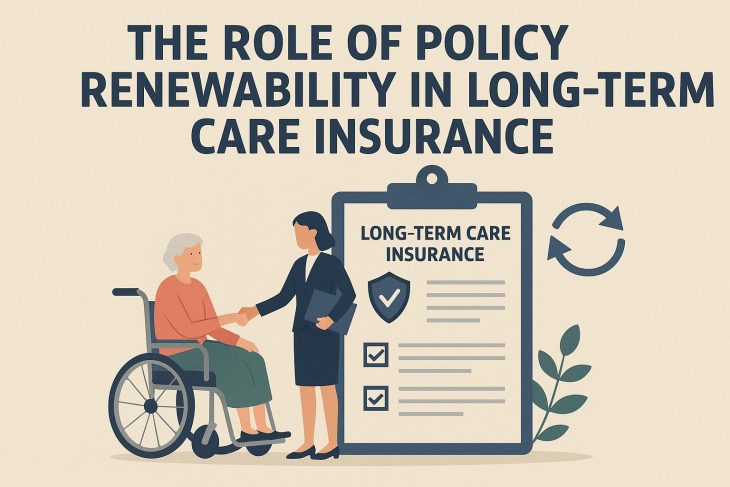
Understanding Policy Renewability in Long-Term Care Insurance
Long-term care insurance serves as a crucial mechanism for managing the often substantial expenses associated with extended healthcare needs, particularly for older adults or those with chronic illnesses. One of the fundamental components to scrutinize in such insurance policies is the clause related to policy renewability. This clause not only influences the security and stability of the policyholder’s coverage but also affects the predictability of the insurance plan over an extended period.
What is Policy Renewability?
Policy renewability refers to the capacity of a policyholder to continue their insurance coverage into the future without requiring additional underwriting or alterations to the current terms of the policy. Within the realm of long-term care insurance, this ensures that individuals can sustain their coverage despite aging or the evolution of health conditions.
Types of Policy Renewability
There are typically two main types of policy renewability clauses in the context of long-term care insurance:
Guaranteed Renewable: This type mandates insurers to renew a policy as long as the policyholder continues to pay the premiums. Insurers cannot alter the terms or deny renewal unless premiums are unpaid. Nonetheless, insurers retain the ability to adjust premium rates over time for all policyholders within the same classification. This means that while an individual’s policy cannot be canceled, the cost of maintaining it could increase, contingent on broader trends affecting the insured pool.
Non-Cancellable: This provision is more robust as it guarantees that the premium rate remains unchanged, and the policy cannot be canceled as long as premiums are duly paid. This predictability in premium costs can be highly beneficial for financial planning, albeit typically resulting in a higher initial cost for the policyholder. The non-cancellable nature of these policies provides an extra layer of security, assuring policyholders that their investment will remain constant and their coverage will persist.
Importance of Policy Renewability
The inclusion of a strong renewability clause within a long-term care insurance policy is paramount for various reasons:
Stability: A stable framework ensures that policyholders are not confronted with unexpected changes in coverage terms, which can have significant repercussions on their financial strategy. By securing continuity in coverage, policyholders can rest assured that their insurance will be there when they need it the most.
Protection Against Age or Health Changes: As individuals age, their health requirements frequently become more complex and resource-intensive. With renewable policies, there is no need for additional underwriting, ensuring that individuals are not excluded from coverage due to age or deteriorating health conditions. This protection is invaluable as it provides assurance of coverage despite the natural progression of aging.
Financial Security: Knowing that coverage remains intact as long as premiums are paid provides policyholders with peace of mind and solid financial security. This security allows for more effective planning for potential long-term care needs, reducing anxiety about future healthcare costs.
Considerations When Choosing a Policy
When assessing options for long-term care insurance, it is crucial to conduct a thorough examination of the policy renewability terms. Several factors should be taken into account:
Premium Rate Adjustments: Although guaranteed renewable policies allow for premium adjustments, it is essential to delve into the insurer’s historical pricing practices and how similar policy premiums have been adjusted historically. This insight can be instrumental in forecasting potential future costs and determining the policy’s suitability for one’s budget.
Policy Language: A careful review of the specific language in the renewability clause is vital. Ensure that it plainly outlines circumstances that might lead to non-renewal or changes in the policy. Clear understanding and awareness of these terms can prevent unforeseen lapses or alterations in coverage.
Considering these elements of policy renewability in long-term care insurance is an integral step towards making well-informed decisions. For further and more detailed guidance on selecting an appropriate long-term care insurance policy tailored to individual needs, consulting resources provided by expert financial advisors or visiting reputable insurance advisory platforms, such as AARP, is highly recommended.
Conclusion
Policy renewability constitutes the cornerstone of long-term care insurance. An in-depth understanding of its nuances and implications empowers policyholders to make informed choices that significantly enhance their financial planning and security landscape. With thorough consideration of renewability clauses, individuals can strategically manage their long-term care insurance, aligning it with their healthcare needs and financial circumstances over time. Making informed decisions in this area is essential for achieving a secure, stable, and predictable long-term care insurance experience.
This article was last updated on: February 8, 2026