
Understanding Self-Insurance for Long-Term Care
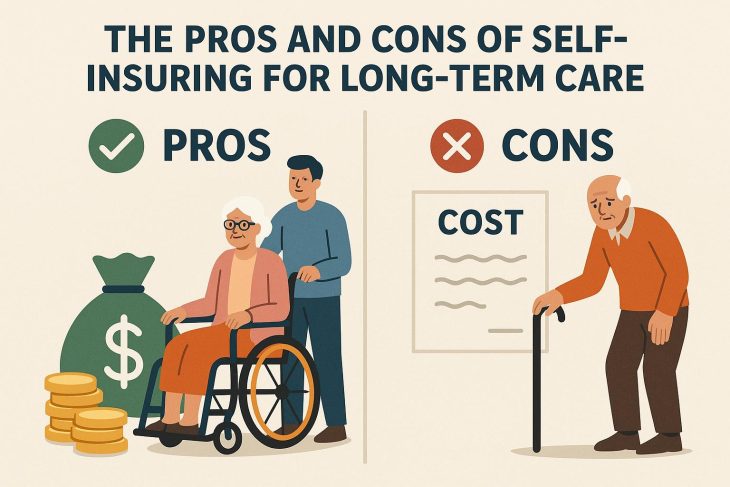
Self-insuring for long-term care is a financial strategy where individuals save and invest personal funds to cover potential future expenses related to nursing home care or assisted living, rather than purchasing traditional long-term care insurance policies. This method can offer significant control and flexibility over healthcare decisions, making it appealing to individuals who have the financial means to undertake it. However, it is important to highlight that self-insuring comes with its set of risks and challenges, which need to be carefully considered.
Pros of Self-Insuring for Long-Term Care
Greater Flexibility
One of the most attractive aspects of self-insuring is the significant degree of flexibility it provides. When individuals choose to self-insure, they are not bound by the limitations or parameters often dictated by insurance providers. This means that individuals can decide precisely how their resources are utilized, ensuring that care choices align closely with their personal needs and preferences.
Cost Avoidance
Traditional long-term care insurance involves paying cumulative premiums over potentially extended periods. These premium payments can become a burdensome sunk cost, especially if the policy is never utilized. In contrast, self-insuring provides an opportunity for individuals to avert these costs completely. For those who maintain good health and do not require prolonged or extensive care, this approach can lead to significant monetary savings.
Investment Potential
Choosing to self-insure also opens doors for individuals to invest the funds set aside for future care. Investments, when strategically managed, can produce substantial growth over time. This proactive financial management can enlarge the pool of resources available for future healthcare expenses, potentially providing a larger safety net compared to what might have been accumulated through insurance policies.
Cons of Self-Insuring for Long-Term Care
Financial Risk
Despite the appealing aspects of self-insuring, there are noteworthy drawbacks. The most prominent risk is the unpredictability associated with future healthcare costs. If individuals require significant or prolonged long-term care, the financial burden may deplete their savings and investment earnings. Given the trajectory of rising healthcare costs and an aging population, this financial exhaustion risk is a critical concern for those considering self-insuring.
Lack of Guarantee
Another challenge that comes with self-insuring is the absence of an assurance that expenses will be covered regardless of how high they rise. Traditional insurance policies offer a level of security, promising that care costs will be managed by the insurer. In contrast, self-insured individuals face potential financial strain from market volatility or poor investment performance, which could lead to insufficient funds when care services are needed most.
Unplanned Circumstances
Life’s unpredictability can also significantly impact those who choose to self-insure. Sudden health issues or accidents that necessitate immediate long-term care might quickly drain available resources. This depletion can affect not only the quality of care accessible but also disrupt financial plans meant for other familial or personal objectives, such as future inheritance or family support.
Decision Making Considerations
Given the intricate nature of decisions surrounding self-insurance for long-term care, it is imperative for individuals to engage in thorough assessment and planning. Several factors such as personal financial situations, existing health conditions, and family dynamics should be weighed in this decision-making process. Consulting with professionals like financial advisors or elder care specialists can provide additional insights into the risks and benefits of self-insuring. These experts can aid individuals in crafting personalized strategies that align with their long-term goals and circumstances.
Furthermore, understanding the implications of self-insuring involves keeping abreast of evolving financial landscapes and healthcare trends. Continuous education and adaptation are necessary components of effectively managing self-insured funds, and seeking trusted resources or engaging with consumer protection agencies can offer beneficial guidance.
In summary, while self-insuring as a method for long-term care offers considerable advantages in terms of autonomy and potential cost savings, it demands meticulous planning and consideration of inherent risks. Balancing individual needs with comprehensive financial strategies is pivotal to determining the appropriateness of self-insuring for any given situation. Engaging with expert advisors and leveraging available resources can support individuals in making informed, sustainable financial decisions tailored to their unique circumstances. Should you wish to explore further, consider accessing resources provided by financial institutions or agencies such as the Consumer Financial Protection Bureau, which can enhance understanding and readiness for this approach.
This article was last updated on: January 11, 2026