
Understanding the Triggers for Benefit Eligibility
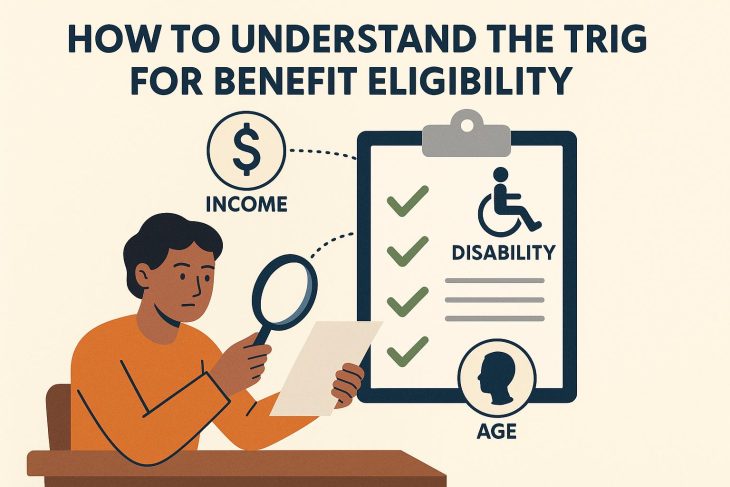
The process of determining eligibility for benefits can seem complex, given the myriad of rules and regulations that govern each program. Understanding what triggers eligibility is crucial for individuals seeking assistance. This involves analyzing factors such as income, employment status, and personal circumstances, among others.
Income Level
Income is often the primary criterion for eligibility. Most benefit programs require that applicants meet specific income thresholds, which are usually determined based on the federal poverty level. It’s essential to know how different sources of income are assessed, including wages, social security, and other financial assistance. It’s also crucial to understand the difference between gross and net income, as programs may consider either one.
In the context of eligibility, income checks are designed to ensure that benefits are extended only to those truly in need. Therefore, it is crucial for individuals to maintain accurate and thorough financial records. Understanding the specifics of income reporting for each program is vital, as inaccuracies or omissions can lead to delays or denials of benefits. Moreover, certain income types, such as child support or alimony, might be treated differently by various programs, further complicating the determination process.
Means Testing
Many benefits programs utilize means testing to assess whether an individual or household qualifies for assistance. This process involves evaluating one’s financial situation, including assets and income, to determine eligibility. For more precise information on how means testing works, visiting official government websites such as those of the USA.gov can be helpful.
During means testing, assets such as savings, property, and valuable possessions may be taken into account. Some programs exclude specific assets from consideration, recognizing that certain resources, such as primary residences or vehicles necessary for work, are essential for everyday life. The method of calculating eligibility varies, and familiarity with these variations is necessary for those applying for assistance.
Employment Status
Employment status can significantly influence benefit eligibility. Programs such as unemployment benefits are directly tied to one’s recent employment history and job loss circumstances. It is crucial to be aware of the required work history and any rules regarding voluntary job separation or termination due to misconduct.
Understanding the nuances of employment status checks is key to navigating the eligibility process. Programs often require documentation from former employers or detailed accounts of job searching efforts as part of their criteria. Knowing which records to compile and how to accurately present one’s employment situation can make a significant difference in the approval process.
For those making transitions in their careers or experiencing temporary unemployment, remaining informed about job market changes and potential eligibility alterations can ensure continued access to necessary support. Continuous updates and communication with local employment offices can also assist in keeping individuals aware of any program changes that may impact their status.
Personal Circumstances
Personal circumstances, including family size, age, and disability status, often play a vital role. For instance, programs like Medicaid and SNAP consider the number of dependents in a household. Similarly, individuals with disabilities may qualify for specific aid through programs designed to support individuals with particular health conditions or impairments.
Detailed understanding and documentation of personal circumstances can facilitate a smoother application process. Providing comprehensive information on household composition, including detailed reporting of dependents and caregivers, allows for accurate assessment of needs. This transparency helps agencies make informed decisions about eligibility and the level of support required. Additionally, certain circumstances, such as caretaking responsibilities or special needs dependencies, might qualify applicants for additional support or accommodations.
Residency and Citizenship
Citizenship and residency status are also crucial factors. Many government assistance programs require applicants to be U.S. citizens or qualified non-citizens. Residency requirements may dictate the length of time one must live in a particular area or state before qualifying for benefits.
The necessity for precise and verifiable documentation of citizenship or residency cannot be overstated. Applicants must ensure their documentation, such as birth certificates, visas, or residency permits, is current and accessible. Furthermore, residents should remain aware of changing local and federal immigration policies, as these can have direct implications for benefit eligibility. Being proactive in maintaining communication with relevant authorities ensures individuals are informed of any changes that could potentially affect their eligibility status.
Conclusion
Understanding the multifaceted triggers for benefit eligibility involves scrutinizing several personal and financial factors. While income is often the primary determinant, employment status and personal circumstances are also integral. Individuals are encouraged to research thoroughly and consult reliable sources to ensure they meet the criteria of the specific programs of interest. Engaging with official resources and benefits offices can provide clarity and detailed information tailored to individual circumstances.
Preparing in advance and maintaining open communication with agency representatives can streamline the process, ensuring that individuals receive the support they need promptly. Taking the time to fully understand and meet the eligibility requirements can greatly enhance the chances of a successful application for benefits. Through diligent research and adherence to specified guidelines, individuals can effectively navigate the complexities of the benefits system to secure the aid they need.
This article was last updated on: March 1, 2026