
Understanding Long-Term Care Insurance
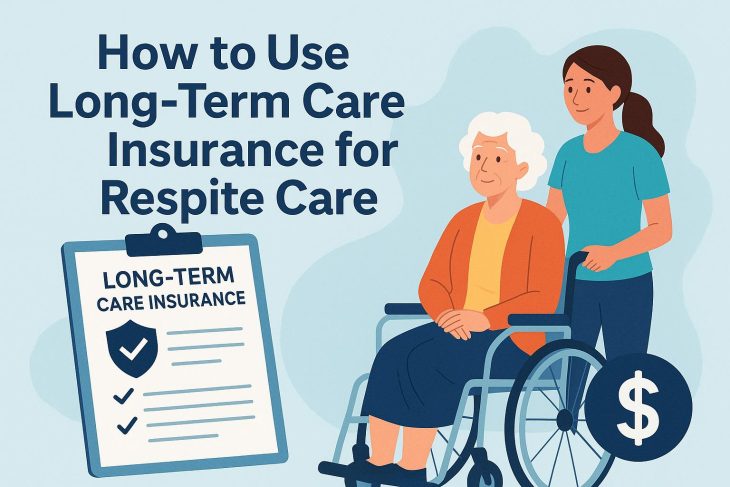
Long-term care insurance is an essential financial product, primarily designed to cover the variety of services associated with personal and custodial care. These services encompass a broad range of supports, from in-home assistance with daily living tasks to institutional care settings like nursing homes. One integral aspect of this insurance is its applicability to respite care, a service that provides temporary relief for primary caregivers by taking over some, or all, caregiving duties on a short-term basis.
What is Respite Care?
Respite care serves as a critical resource for caregivers, offering them an opportunity to step away from the intensive demands of providing ongoing care to a loved one. This temporary relief helps reduce the stress and maintain the well-being of the caregiver, a vital component of sustainable long-term care. Respite care can be delivered in several settings, including but not limited to the patient’s home, specialized day care centers, or formal healthcare facilities. The flexibility in delivery method makes it an adaptable option tailored to meet both the caregiver’s and the care recipient’s needs.
Eligibility for Respite Care Under Long-Term Care Insurance
To access respite care benefits through a long-term care insurance policy, certain conditions and eligibility criteria must be met. These can vary widely between different insurance providers and the specific policies they offer. Therefore, it is crucial for policyholders to closely examine their individual plan to understand the specifics.
– Assessment of Need: Often, insurance providers necessitate a health assessment to establish the need for respite care. This assessment usually evaluates both the condition of the caregiver and the care recipient to determine the necessity and appropriateness of the service.
– Plan of Care: Insurance plans generally require a formal plan of care that is documented and outlined by a licensed healthcare provider. This plan helps delineate the specific needs and the services required for respite care and ensures those needs align with the policy’s provisions.
Determining Coverage
It is imperative for policyholders to fully understand the extent and limitations of their coverage relating to respite care. This includes being aware of several key considerations:
– Duration of Coverage: Many insurance policies specify a limit on the number of days for which they will cover respite care. This duration might range from a few days to several weeks, depending on the terms of the policy.
– Types of Services: Policies might differ in the types of respite care services they cover. Some may include adult day care programs, while others might extend only to in-home care support or facility-based care.
– Cost Limitations: Financial limits are often set by insurers, whereby daily, weekly, or monthly caps are established on the amount they will reimburse for respite care services. Policyholders must be conscious of these financial thresholds to effectively manage out-of-pocket costs.
Steps to Activate Respite Care Benefits
When aiming to utilize long-term care insurance for respite care, policyholders typically need to navigate several procedural steps to activate these benefits:
1. Review Your Policy: A thorough review of the insurance policy is a critical first step. Understanding coverage details, benefits, and any exclusions concerning respite care is essential to avoid unexpected costs or service denials.
2. Contact Your Insurer: Once the policyholder has a clear understanding of their coverage, they should contact their insurance provider. This conversation can confirm eligibility and provide clarifications on the steps necessary to activate the benefits.
3. Documentation: Gathering the required documentation, such as a medical assessment and care plan, is typically mandatory. These documents should substantiate the need for respite care and align with the insurance company’s criteria.
4. Select a Provider: Choosing an appropriate respite care provider is essential. It’s crucial to select one that not only meets the individual’s care needs but is also recognized and covered by the insurance plan.
Challenges and Considerations
Despite the invaluable support respite care can offer, there are certain challenges and considerations involved when tapping into long-term care insurance for this purpose:
– Understanding Policy Language: Insurance documents are often drafted in complex legal or financial language which can be challenging to interpret. Policyholders might need assistance to navigate these documents effectively.
– Pre-Approval Requirements: Some insurers have pre-approval stipulations that require authorization prior to covering services. This additional step can introduce delays in care provision, and understanding this requirement in advance is critical to implementation.
Further Resources
For those seeking to delve deeper into long-term care insurance and respite care services, professional organizations specializing in elder care often provide extensive resources. Consulting these organizations can offer clarity and insights into your options. Additionally, online platforms provide comprehensive guides and expert consultations to assist with making informed decisions. A notable resource that can be accessed is the Consumer Financial Protection Bureau, which offers guides on managing the financial aspects of long-term care, providing a strong foundation of knowledge and support for policyholders navigating this challenging aspect of caregiving.
This article was last updated on: October 11, 2026