
Introduction to Annuities for Long-Term Care
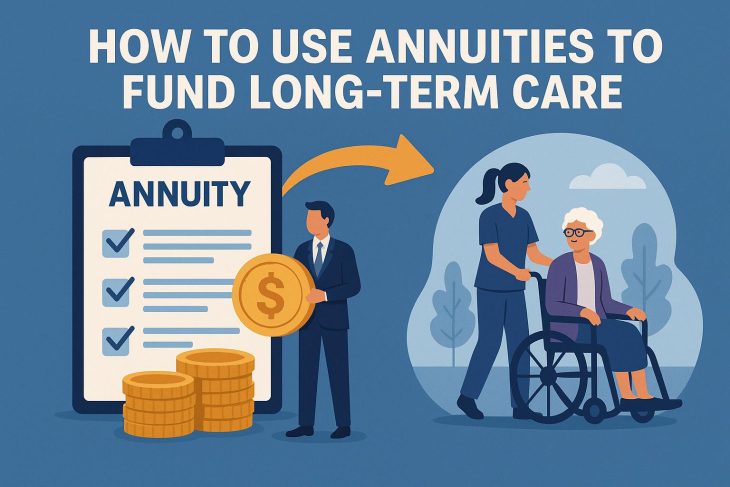
Annuities can serve as a reliable financial product to fund long-term care needs. They are insurance products that provide a continuous stream of income, typically during retirement. It is essential to comprehend the role that annuities play when considering how to manage long-term care expenses.
What is an Annuity?
An annuity represents a contract established between an individual and an insurance company. In this agreement, the individual contributes a lump-sum payment or a series of payments to the insurer. In reciprocation, the insurer promises to provide a series of payments at a future date, which may persist for the remainder of the individual’s lifetime. Utilizing annuities strategically can help cover the costs associated with long-term care.
Types of Annuities
There are several types of annuities worth considering:
Immediate Annuities: These initiate the payment of income nearly immediately following a lump-sum payment. They might be an appropriate option for those in need of instant financing for long-term care.
Deferred Annuities: Payments commence at a future date, allowing the funds invested to accumulate and grow. This could be beneficial for those planning for prospective long-term care needs.
Fixed Annuities: These offer consistent, guaranteed payments, providing a reliable source of income.
Variable Annuities: Here, payments can vary based on the performance of a selected investment portfolio. This structure presents the opportunity for higher returns, albeit with increased risk.
Using Annuities to Pay for Long-Term Care
Integrating annuities into a long-term care strategy necessitates an understanding of how these financial products can specifically accommodate health-related expenses. Certain annuities feature characteristics specifically designed to aid in funding long-term care.
Annuity with Long-Term Care Rider
Some annuities offer an optional long-term care rider, which provides additional payments if long-term care becomes necessary. This rider can enhance the annuity’s value by adjusting payouts to match care costs, thereby easing the financial burden associated with expensive long-term care facilities.
Tax Implications
The tax implications of annuity payouts can significantly influence funding strategies. Payments from certain annuities designated for long-term care may benefit from tax advantages, although these depend on individual circumstances and local tax regulations.
Considerations When Choosing an Annuity
When considering annuities for long-term care, various factors should be assessed:
Financial Stability: It is crucial to ensure that the insurance company you engage with is financially stable and reliable.
Cost versus Benefits: It is important to compare the costs, such as premiums, against the potential benefits in terms of payouts.
Rider Terms: A clear understanding of the terms associated with any long-term care riders is essential. This means thoroughly examining the specifics and conditions of the rider.
Additional Considerations
Individuals should also be mindful of the broader context when planning for long-term care funding with annuities. This includes evaluating the overall goals of their financial plans, the expected duration, and scope of long-term care needs, as well as their tolerance for risk. Besides, considering how the annuity aligns with other retirement and health care plans is essential.
Another factor to examine is the credibility and history of the insurance provider. Checking ratings from independent agencies can provide insight into their reliability and service quality. The choice between the various types of annuities and associated riders should align closely with personal financial conditions and anticipated health needs.
Benefits of Annuities
Annuities offer peace of mind by providing a predictable stream of income, which can be especially beneficial in unpredictable times. This can be crucial for retirees who have limited income sources and high medical expenses. Annuities may also offer protection against inflation through certain inflation-adjusted options, helping to preserve purchasing power.
Professional Guidance
Due to the complexities associated with financial products, particularly annuities with long-term care options, professional advice is highly recommended. A financial consultant or advisor can provide personalized guidance tailored to individual financial circumstances and long-term care needs. They can help clarify the nuances of various annuity contracts and guide decision-making based on a holistic assessment of their client’s financial landscape.
Strategic Planning
Besides just focusing on annuities, strategic planning for long-term care should encompass various other preparations and contingencies. Individuals should ensure they have a comprehensive financial plan that addresses all possible scenarios, including unforeseen health declines or changes in the financial market that may impact investments.
Conclusion
In conclusion, annuities can represent a practical approach to securing funds for long-term care costs. They offer a structured method to address the financial demands of aging and healthcare needs. However, given the complexities that surround annuities, it is vital to obtain appropriate professional advice. This will ensure that individuals are adequately informed and can make decisions that best suit their long-term care and financial planning objectives. For further information on annuities and financial planning, please visit Financial Advisory Site.
This article was last updated on: August 25, 2026