
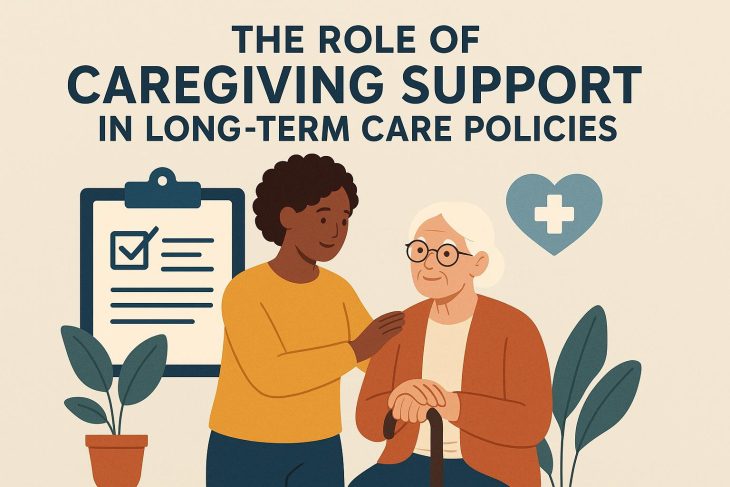
The Importance of Caregiving Support in Long-Term Care Policies
In recent years, the discussion around long-term care policies has increasingly focused on the essential role of caregiving support. As populations age and the prevalence of chronic conditions rises, developing effective caregiving support is crucial to maintaining a sustainable and humane system for caring for older adults and individuals with disabilities. Understanding and implementing comprehensive support mechanisms for caregivers deeply influences the efficiency of these long-term care systems.
Understanding Caregiving Support
Caregiving support encompasses a broad array of services and resources designed to assist caregivers in fulfilling their roles efficiently and effectively. This support system can take many forms, including but not limited to financial assistance, emotional support, and respite services. Each type plays a unique role in reducing the burdens caregivers might face in their day-to-day activities. Additionally, recognizing the diverse and unique needs of caregivers is essential in crafting policies that not only promote their well-being but also enhance their caregiving effectiveness.
Financial Support
Providing financial resources is a crucial aspect of caregiving support. For many caregivers, stepping into a caregiving role often means leaving paid employment or reducing work hours, which can diminish personal income and overall financial security. Realizing the implications of this situation, policies that offer financial assistance or stipends can considerably alleviate the financial strain on caregivers. Such financial interventions not only make caregiving more manageable but also enable caregivers to maintain a reasonable standard of living despite their commitments.
Respite Care
Respite care is another indispensable component within the realm of caregiving support. By providing temporary relief for caregivers, respite care allows them to take necessary breaks to recharge physically and emotionally. Whether accessed through community services or formal care providers, respite care can significantly prevent caregiver burnout. In turn, this ensures that caregivers remain healthy and capable of delivering quality care to their recipients over a more extended period. Such preventive measures are pivotal in sustaining both the caregivers’ and care recipients’ quality of life.
The Role of Technology
Technological advancements play an increasingly crucial role in enhancing caregiving support. Innovations such as telehealth services, mobile health applications, and smart home technologies present new opportunities for caregivers to monitor and manage care more efficiently on various fronts. These technological tools not only enhance the quality of life for care recipients by enabling more personalized and immediate care solutions, but they also provide caregivers with peace of mind through improved time management and access to real-time information. As such, integrating technology into caregiving practices can significantly transform the landscape of long-term care.
Policy Implications
Integrating robust caregiving support within long-term care policies promises several significant benefits with far-reaching implications. By drafting and implementing effective policies, authorities can recognize the economic and social value that caregivers inherently provide. Consequently, these policies aim to alleviate the challenges caregivers face by creating structured support systems. This proactive approach not only promotes a sustainable care environment but also stimulates positive outcomes for the caregivers, care recipients, and the broader healthcare system as a whole. Such policies are instrumental in paving the way for a more resilient and agile long-term care system.
Conclusion
Comprehensive caregiving support remains critical to the success and efficacy of long-term care policies. By addressing and accommodating the diverse needs of caregivers and leveraging technological advancements, policymakers possess the ability to forge a framework that ensures sustainable caregiving practices. This, in turn, enhances the overall quality of life for both caregivers and care recipients. As society continues to confront the challenges associated with an aging population and increasing chronic health issues, the significance of caregiving support within long-term care policies cannot be overstated. Through thoughtful policy making and continual support improvements, a more compassionate and effective caregiving landscape can emerge, promising a brighter future in long-term care for all stakeholders involved.
This article was last updated on: October 4, 2026