
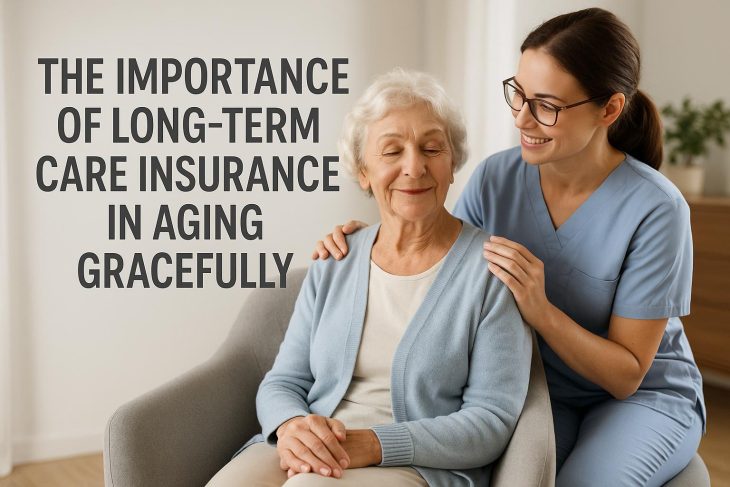
The Role of Long-Term Care Insurance in Aging Gracefully
As individuals age, planning for future healthcare needs becomes increasingly important. Recognizing the inevitability of aging and the potential requirements it brings, long-term care insurance (LTCI) constitutes a pivotal element in ensuring that individuals can sustain their quality of life along with financial independence. This comprehensive examination will elucidate the significance of long-term care insurance in fostering an environment where aging individuals can maintain dignity and autonomy.
Understanding Long-Term Care Insurance
Long-term care insurance is specifically designed to shoulder the expenses associated with long-term care services. Notably, these services extend beyond the scope of standard health insurance or Medicare. Such care entails assistance with activities indispensable to daily living (ADLs), which include tasks such as eating, dressing, bathing, and medication management. The demand for this type of care often arises due to chronic illnesses, enduring disabilities, or cognitive impairments, such as dementia.
The relevance of long-term care cannot be underestimated when planning for a stable future. The multifaceted nature of needs associated with aging warrants a system that can adapt and grow in response to the individual’s condition, hence highlighting the role of LTCI.
The Financial Implications of Long-Term Care
The financial demands of long-term care services are undeniably substantial. Research indicates that the average expense of securing a private room within a nursing home can exceed $100,000 per year, while the costs for in-home care can similarly accumulate with alarming speed. For many, these figures underline the harsh reality of potentially draining lifelong savings to cover essential care. In this regard, investing in long-term care insurance emerges as an essential measure for alleviating financial stress. By effectively managing these costs, policyholders can preserve their savings for other purposes, circumventing the need for emergency fund depletion or asset liquidation.
Individuals who incorporate long-term care insurance into their financial planning are better equipped to maintain a solid financial footing throughout their twilight years. The decision to invest in LTCI is often predicated on a desire to ensure one’s financial security without infringing on the lifestyle or financial stability of their family members.
Reducing the Strain on Family Members
Long-term care insurance offers more than financial respite; it fundamentally eases the emotional and physical demands borne by family members. In the absence of LTCI, relatives frequently find themselves assuming the role of primary caregivers, a responsibility that can dramatically infringe upon personal and professional commitments. The emotional toll and physical exhaustion associated with caregiving are considerable, often leading to strained relationships and diminished personal well-being.
Furthermore, access to professional care services through long-term care insurance grants peace of mind to both the insured individual and their family. Knowing that professional and specialized care is readily available alleviates concerns about the quality and consistency of care, thereby allowing family members to focus on maintaining their own lives and relationships.
Preserving Independence and Choice
Possibly the most compelling advantage of having long-term care insurance lies in its capacity to uphold personal autonomy and empower individuals to make informed decisions about their care. The policy structure allows individuals the freedom to elect various care options, ranging from in-home care to assisted living facilities or full-fledged nursing homes. This choice ensures that care environments and services align with individual preferences and life philosophies.
The importance of decision-making autonomy cannot be overstated. Personal choice in care arrangements not only enhances the quality of life but also reinforces an individual’s sense of control and dignity during the aging process. Planning ahead and securing long-term care insurance allows individuals the flexibility to craft a retirement experience reflective of their ideals and needs.
The Timing of Purchase
The question of when to purchase long-term care insurance is critical. Securing a policy during one’s 50s or 60s generally results in more favorable premium rates and a higher likelihood of qualifying for comprehensive coverage. Conversely, postponing the decision until the onset of health issues could lead to elevated premiums or disqualification from coverage altogether.
Strategically timing the purchase of long-term care insurance is a significant component of insurance planning. Early acquisition not only guarantees more affordable premiums but also ensures a broad coverage spectrum, fortifying financial protection during later years.
Considering Long-Term Care Insurance Options
Navigating the landscape of long-term care insurance necessitates careful evaluation of available policies. The market provides a range of options that span traditional LTCI policies and hybrid products that amalgamate life insurance with long-term care benefits. When deliberating on a suitable policy, individuals must consider factors such as benefit amounts, coverage durations, and inflation protection measures.
Securing tailored advice from an insurance professional or financial advisor can significantly aid in this evaluative process. Professionals provide invaluable insights tailored to one’s specific circumstances, facilitating informed decision-making. For individuals seeking more information on evaluating and purchasing long-term care insurance, expert guidance remains a prudent recourse.
Conclusion
In summary, long-term care insurance is instrumental in facilitating graceful aging by delivering financial security, relieving the burden on family members, and preserving personal independence. As an individual’s healthcare needs evolve with age, possessing a deliberate plan that integrates long-term care insurance can profoundly influence the quality of life enjoyed during later years. Proactively engaging in planning and understanding the utility of long-term care insurance ensures individuals are equipped to face the intricacies of aging with confidence and dignity.
This article was last updated on: September 20, 2026